Perspectives on Pastoralism Film Festival
To register, please visit the Culture Days Event page. All film screenings are free!
10:00 Savannahs and drylands: Climate resilience from the Sahel to East Africa
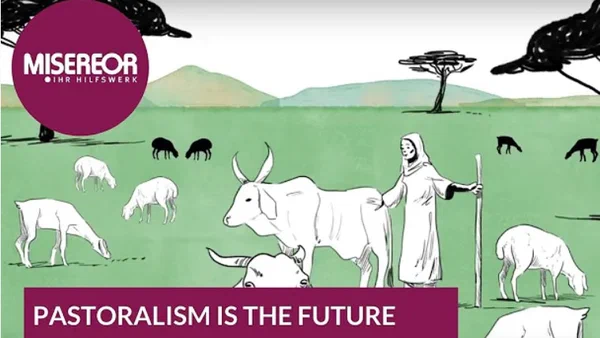
Human-induced climate change is creating conditions on our planet that are increasingly characterised by variability and unpredictability. Pastoralists use variability to their advantage. Their production systems guide us to a sustainable future. This brief introductory video was created in support of the International Year of Rangelands & Pastoralists (IYRP) 2026. Scenario by Saverio Krätli, Vétérinaires Sans Frontières Belgium, Agrecol and Misereor; funded by Misereor and the Belgian Government; produced by Cartoonbase Belgium.
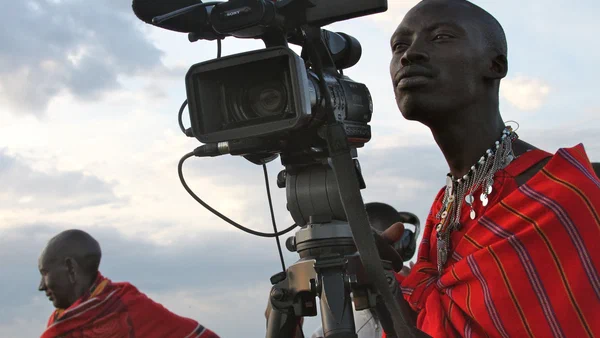
A 10-minute participatory documentary made by a freshly trained-in-filmmaking group of young Kenyan Maasai women and men from the Maasai Mara, sharing their firsthand observations on climate change, changing seasons, land privatization, and cultural transformation.
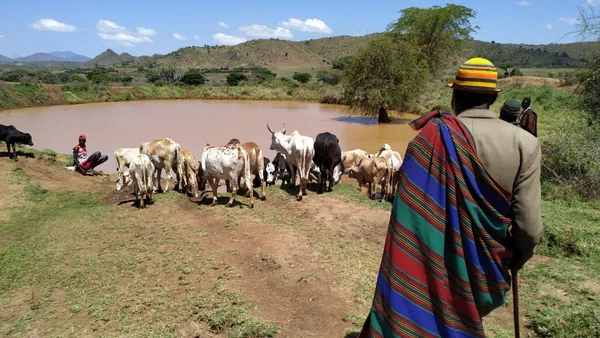
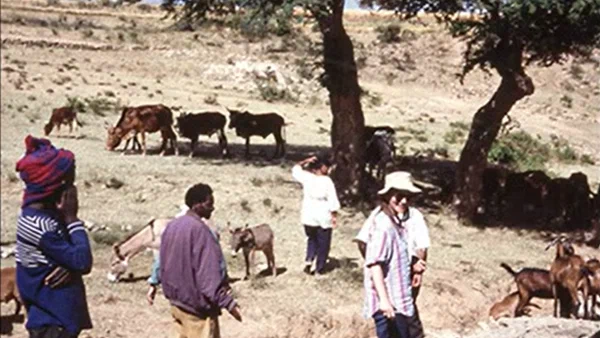
The Karamojong are herdsmen in the North-East of Uganda and guardians of their landscape. This film illustrates how the Karamojong herdsmen make productive use of the highly variable landscape, turning even the driest plant fibres into meat and milk, whilst simultaneously dealing with frequent animal disease outbreaks and intertribal conflicts in the region. This film was produced in collaboration with a CELEP partner, DADO (Dodoth Agro-pastoral Development Organization). It is part of a documentary series ‘Herders – Guardians of the Earth’.
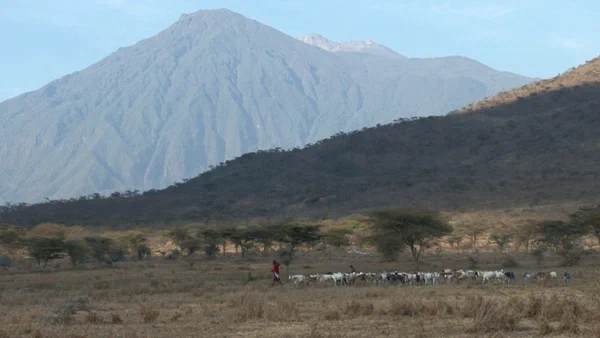
Near the slopes of Mount Meru in northern Tanzania, prolonged climate drought challenges traditional pastoral routines. Goat Breakfast provides an intimate, sensory portrait of Paulo, a Maasai herder, and his daily interactions with his herd of goats. Revealing deep multispecies affection, communication, and mutual reliance, the documentary explores how intimate human-animal bonds form the bedrock of Maasai survival in rapidly warming semi-arid savannahs.
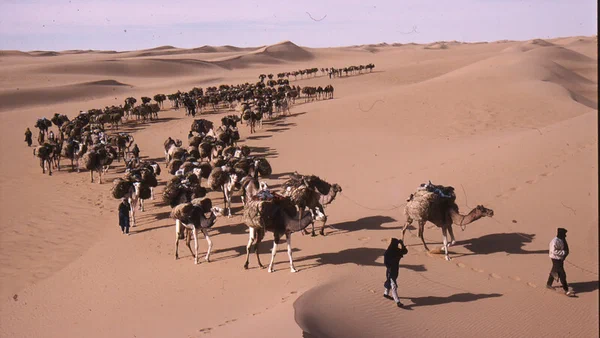
Filmed in 2000 with lightweight equipment in harsh desert conditions, this documentary follows a Tuareg (Kel Eway Imjaghan) camel caravan travelling across the Sahara to Bilma, documenting traditional trade routes, desert survival, and social organization.
12:00 Wildlife, pastures, and protected areas: Coexistence and rangeland rights
Human-induced climate change is creating conditions on our planet that are increasingly characterised by variability and unpredictability. Pastoralists use variability to their advantage. Their production systems guide us to a sustainable future. This brief introductory video was created in support of the International Year of Rangelands & Pastoralists (IYRP) 2026. Scenario by Saverio Krätli, Vétérinaires Sans Frontières Belgium, Agrecol and Misereor; funded by Misereor and the Belgian Government; produced by Cartoonbase Belgium.
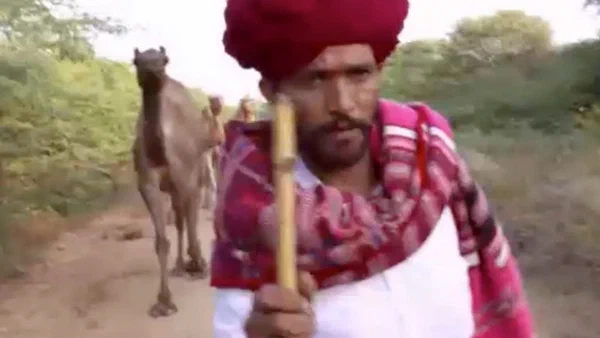
Features community-led initiatives in Rajasthan to create sustainable livelihoods from camel milk and camel wool products, aiming to save endangered camel herds and preserve the traditional Raika way of life.
Highlights the struggle of the Raika camel herders of Rajasthan, India, as they advocate for grazing access rights within the Kumbhalgarh Wildlife Sanctuary, demonstrating their role as stewards of forest biodiversity.
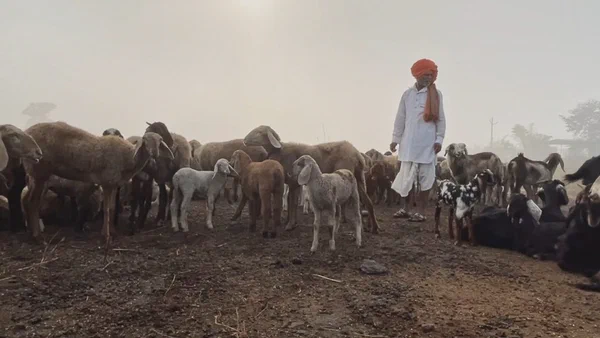
For hundreds of years, the Dhangar nomads have kept sheep on the Deccan Plateau in Maharashtra State, India. Their biggest problem was wolves, which they also worship, knowing full well that wolves will take a few animals each year, often the weakest. Now they face a new threat: climate change, bringing extreme weather events. The film traces the path of a few migratory families and the loss they felt when several animals died during unprecedented rains. The nomads ask government to take notice of their situation and create policies to protect their sheep and their livelihoods.
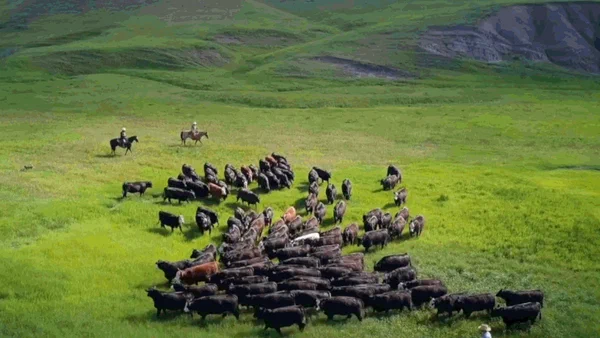
Canada’s native grasslands are disappearing at an alarming rate; they are one of the most endangered ecosystems in the world. This film – the result of collaboration between conservationists and local pastoralists (ranchers) – shows how cattle grazing still creates hope on what is left of these iconic landscapes for the plant and animal species that call them home.
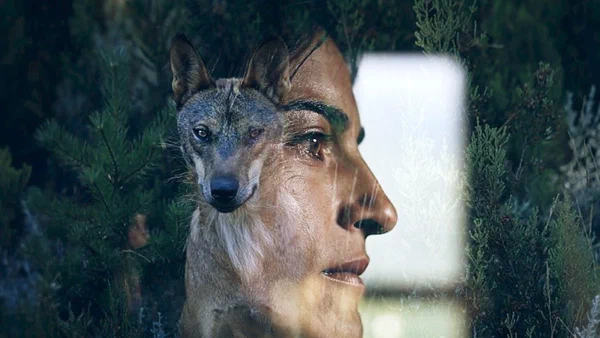
This documentary brings the testimonies of three herders – Fernando, Juan and Sofía – who have learnt to live close to wolves. Like many other farmers and herders in Europe, they have found ways to protect their livestock. They explain how they deal with the challenges and opportunities that come with the presence of large carnivores and how they have learnt to accept or even to appreciate them. They show that coexistence is possible, if those living close to large carnivores receive sufficient support and tools to reduce conflict.
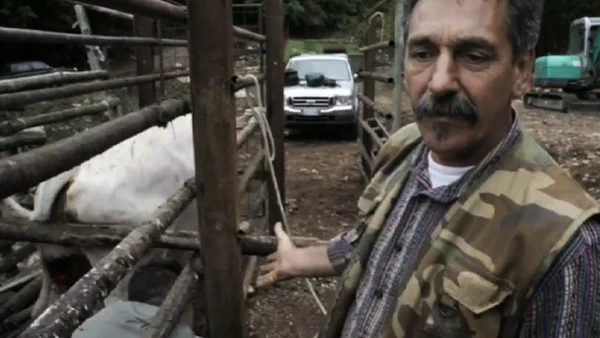
In Italy’s Apennine Mountains, large carnivores are creating problems for herders. The population of wolves and wolf-dog hybrids is growing, and attacks on livestock are increasing. This has devastating economic impact on the herders, who must now confine formerly free-ranging livestock in stables and behind fences. It weakens the management of grazing land and local livestock breeds, leading to loss in biocultural diversity. The herders demand that national and regional governments in Italy take action to address these issues.
After several years of negotiations with the South African National Parks Board, the local Nama people were allowed to remain living and grazing their livestock in a designated nature conservation area – the Richtersveld World Heritage Site in Northern Cape Province bordering Namibia. The film documents how agreement for a community conservancy was reached and how renegotiations are being considered in view of recent changes in climate and population, including Nama not involved in the original negotiations. Researchers made this film as a way to feed back their findings to the local people.
14:15 High steppes and mountain nomads: Central Asia and the Himalayas
Human-induced climate change is creating conditions on our planet that are increasingly characterised by variability and unpredictability. Pastoralists use variability to their advantage. Their production systems guide us to a sustainable future. This brief introductory video was created in support of the International Year of Rangelands & Pastoralists (IYRP) 2026. Scenario by Saverio Krätli, Vétérinaires Sans Frontières Belgium, Agrecol and Misereor; funded by Misereor and the Belgian Government; produced by Cartoonbase Belgium.
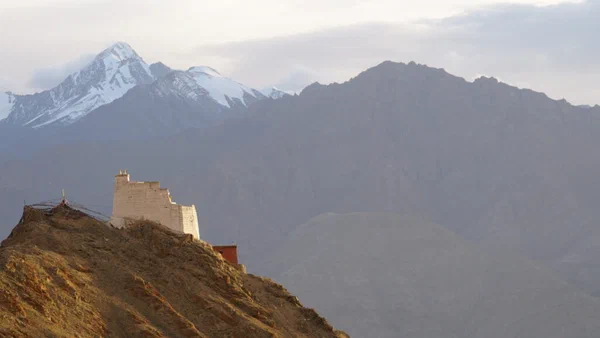
In this film, a nomadic woman shares her daily life in Ladakh’s high mountains. She speaks about the hardships of changing rainfall, the struggle to feed her livestock, and the reasons many young people leave for the cities—offering a poignant glimpse into a fragile way of life under pressure.
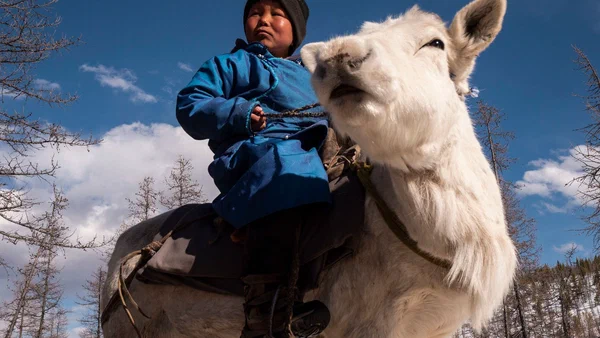
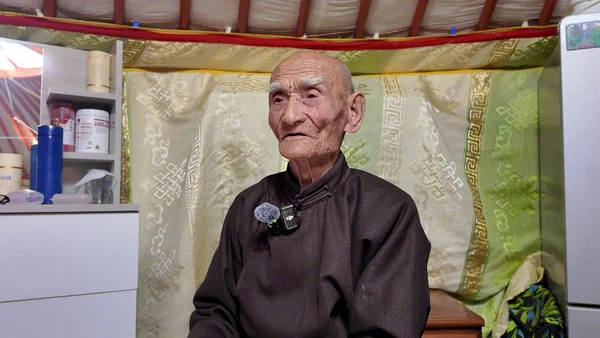
From inside his yurt in northern Mongolia, the reindeer herder Bayandalai ‒ an elder of the Dukhas tribe ‒ muses about the significance of life and death in the largest forest on Earth, the Taiga. Through his connection with the reindeer and with the Taiga, Bayandalai has access to spiritual truths and higher consciousness that he may not be able to pass on to his family members before the lures of city life — jobs, money, houses, things — entice them away.
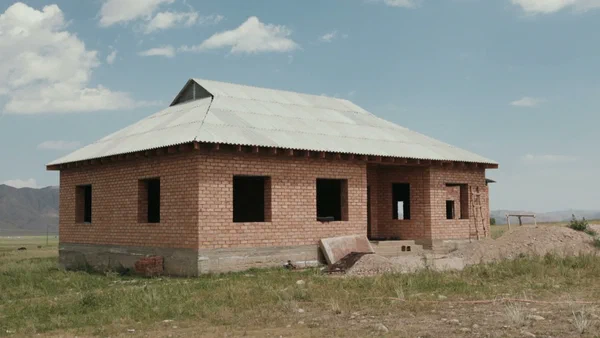
Produced by the independent Tartaly Film Collective in Kyrgyzstan, Alihan’s Village (Bizdin Ayyl) follows a young boy named Alihan living in a rural mountain village where everyone knows each other’s nicknames. The documentary intimately depicts his daily routine as he assists his father with household chores and plays traditional alchiki (ankle-bone games) with neighbourhood youth, offering a vivid perspective on Central Asian village childhood.
Directed by Alina Baitokova for the Tartaly Film Collective, Umai explores female identity, maternal care, and social resilience in contemporary Kyrgyzstan. Named after Umai, the ancient Turkic mother goddess and sacred protector of women, children, and fertility, the documentary provides nuanced portraits of Kyrgyz women navigating intergenerational dynamics, domestic caregiving, and community leadership.
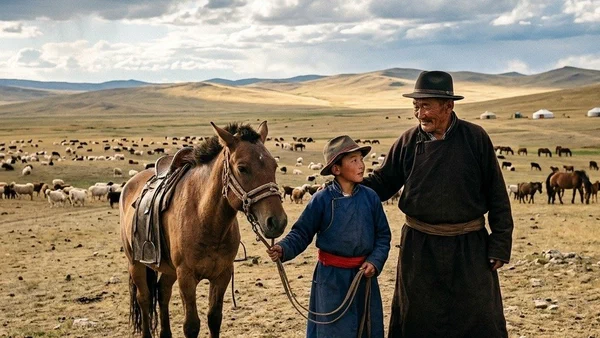
As the Naadam summer festival approaches, horse trainer Amraa and 11-year-old jockey Jantska prepare their stallion for the race. Jantska dreams of becoming a racehorse trainer, but Amraa hesitates to encourage this path, as climate change increasingly threatens their way of life. Set in Mongolia, one of the world’s most vulnerable countries to climate change, the film reveals how even the cherished tradition of horse racing is being impacted. Through the story of Amraa’s family, it portrays the physical and emotional struggles of Mongolia’s broader nomadic communities, offering a perspective on the cultural erosion intensified by climate change.
Produced by Steps Without Borders NGO (Хил хязгааргүй алхам), this 30-minute documentary focuses on nomadic herding families living in Airag sum, Dornogovi aimag, Mongolia. The film documents the severe environmental threats facing rural communities, including pastureland degradation and critical water depletion resulting from expanding fluorspar mining operations in the region.
16:00 Women of the rangelands: Voice, knowledge, and lineage
Human-induced climate change is creating conditions on our planet that are increasingly characterised by variability and unpredictability. Pastoralists use variability to their advantage. Their production systems guide us to a sustainable future. This brief introductory video was created in support of the International Year of Rangelands & Pastoralists (IYRP) 2026. Scenario by Saverio Krätli, Vétérinaires Sans Frontières Belgium, Agrecol and Misereor; funded by Misereor and the Belgian Government; produced by Cartoonbase Belgium.
Dedicated to agricultural sociologist Dr. Ann Waters-Bayer, this celebratory short recognizes her lifetime of pioneering advocacy for pastoralists worldwide, with special emphasis on the leadership, knowledge, and rights of women in mobile livestock-keeping communities. Through testimonials and visual archival materials, the film reflects on decades of collaborative research championing local innovation and community-led pastoral development across Africa, Asia, and international policy forums.
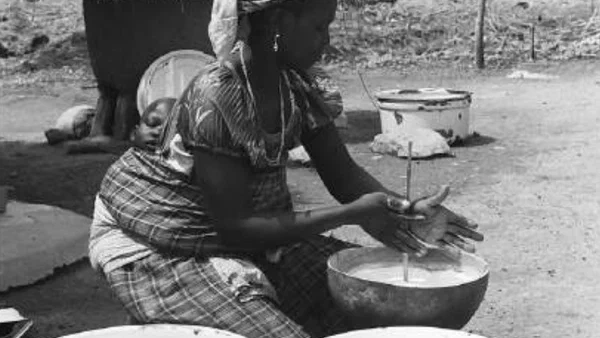
Filmed in central Nigeria in 1984, this ethnographic film documents the economic life, skilled labour, and independent financial authority of Fulani pastoral women. The documentary follows a Fulani dairywoman through morning milking, processing fresh cow milk into sour curd (nono) and clarified butter (mài), and trekking to local rural markets to sell dairy products, demonstrating how women control household food supplies and sustain pastoral family economies through independent dairy commerce.
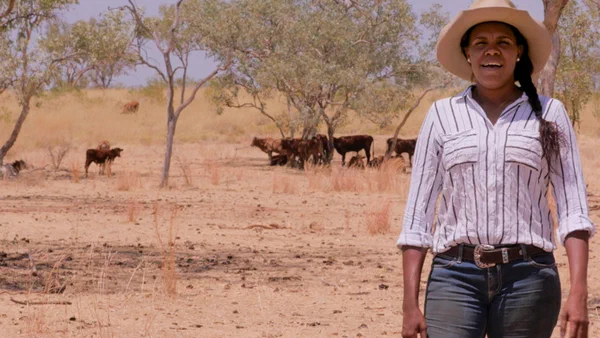
Set on Lamboo Station in Western Australia’s remote Kimberley rangelands, Let’s Woman Up profiles Darrylin Gordon, a proud Jaru woman and pastoralist managing a commercial cattle station on traditional ancestral country. Overcoming gender and racial stereotypes in the rugged Australian pastoral industry, Darrylin shares her determination to care for country, pass on livestock handling skills to young Indigenous women, and build sustainable enterprise rooted in cultural heritage.
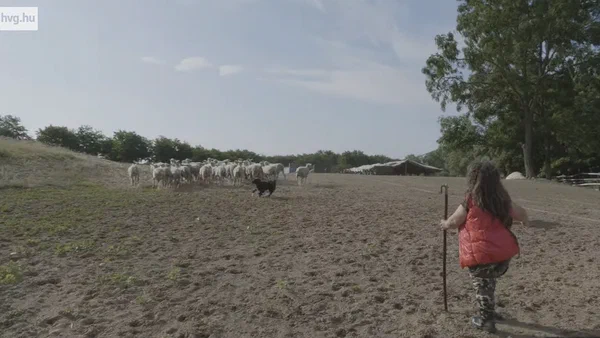
On the windswept plains of the Hungarian Puszta, female livestock keepers continue generations-old traditions of grazing sheep, cattle, and goats across alkaline grasslands. In this intimate observational documentary, women herders share their daily routines, seasonal struggles, and pride in traditional animal husbandry, demonstrating that pastoral knowledge in Central Europe is sustained just as vigorously by women as by men.
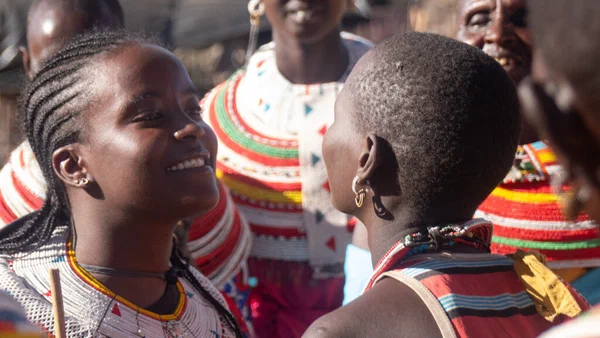
In this intimate and groundbreaking film, Laissa Malih, the first female Maasai filmmaker, returns to her ancestral village in Laikipia to explore how climate change is transforming Maasai lands and lives. What begins as a documentary about land and tradition becomes a personal journey of identity, belonging, and intergenerational dialogue. Through her lens, Malih reclaims the narrative of her people, offering a powerful insider’s perspective on resilience, culture, and the future of Maasai storytelling.
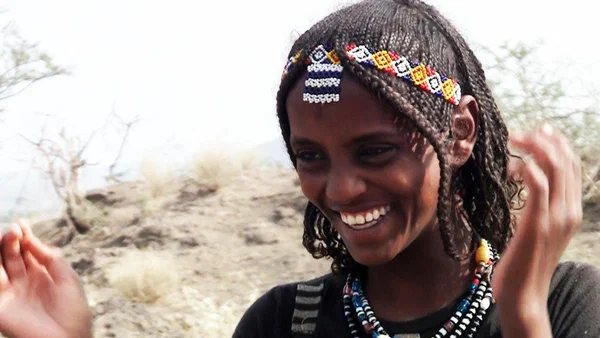
This film tells the story of two girls in Afar, northeast Ethiopia, and how they face challenges in their young lives: Fatuma seeking to avoid the traditional arranged marriage and Asya trying to deal with livestock theft and conflict with the Somali Issa. Fatuma and Asya grow up in two different Afar nomad communities. The film depicts the reality of these adolescents, who explain their daily lives from their own perspective.
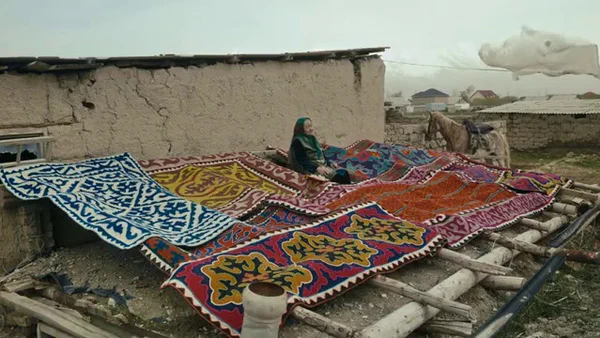
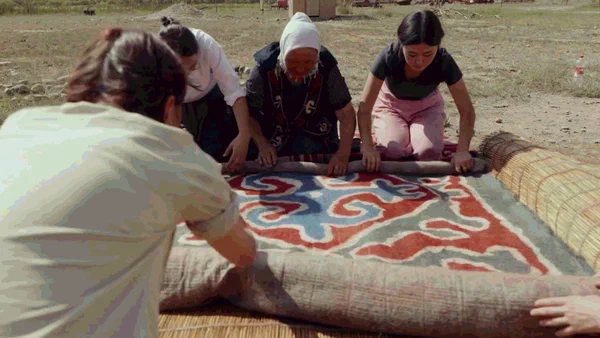
Produced by the Tartaly Film Collective, Ala kiyiz documents the traditional Kyrgyz art of felt carpet making. The film observes an elderly master craftswoman passing down ancestral wet-felting technique, nomadic motif designs, and material culture to younger generations, capturing the delicate intergenerational transmission of UNESCO-recognized intangible cultural heritage.
18:00 Droves and seasonal corridors: The living heritage of transhumance
Human-induced climate change is creating conditions on our planet that are increasingly characterised by variability and unpredictability. Pastoralists use variability to their advantage. Their production systems guide us to a sustainable future. This brief introductory video was created in support of the International Year of Rangelands & Pastoralists (IYRP) 2026. Scenario by Saverio Krätli, Vétérinaires Sans Frontières Belgium, Agrecol and Misereor; funded by Misereor and the Belgian Government; produced by Cartoonbase Belgium.
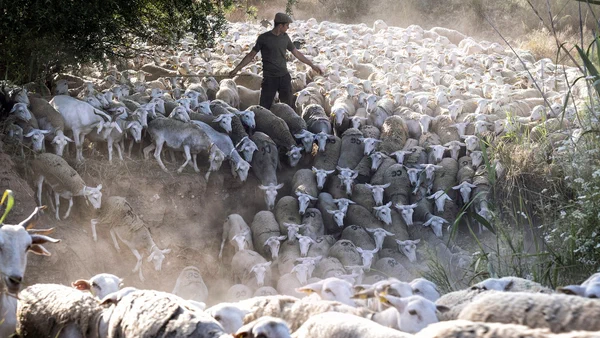
Celebrating the UNESCO recognition of transhumance as Intangible Cultural Heritage of Humanity, this documentary tracks the seasonal migration of livestock along Spain’s ancient droving corridors (cañadas reales) and across European mountain passes. Following families moving sheep and cattle on foot across hundreds of kilometres, the film demonstrates the vital ecological role of pastoral droving in dispersing plant seeds, mitigating forest fires, and fostering cultural solidarity across rural Europe.
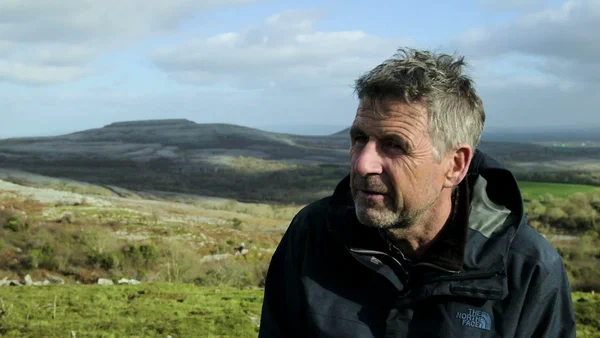
This film shows the living cultural heritage of transhumance in Europe: moving livestock to different grazing grounds in a seasonal cycle that goes back as long as people have been farming in the region. In Clare County of Ireland, the filmmaker follows the Burren Beo group through their Winterage Festival celebrating this ancient tradition that allows the region’s unique plant and animal life to flourish. Here, the highlands are grazed in the winter and the lowlands in summer. This is contrasted with the movement of livestock in the north Italian Alps, that are taken to the mountain pastures for the summer.
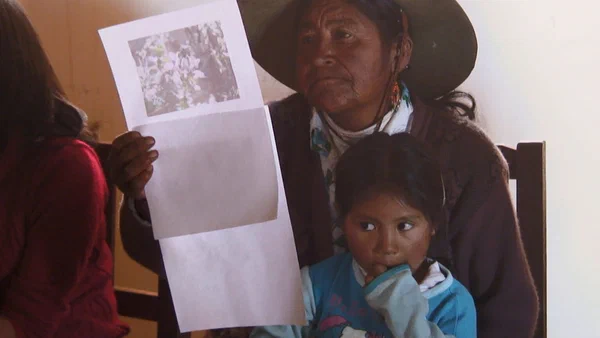
In the high-altitude Andean rangelands of northern Argentina, transhumant Criollo and Indigenous herding communities move sheep, goats, and llamas between seasonal pasture zones. Exploring the profound botanical and ecological knowledge encoded in local dialect—distinguishing ‘root pasture’ (pasto raíz) from ‘seed pasture’ (pasto semilla)—the documentary bridges scientific rangeland ecology with the living wisdom of pastoral families confronting arid mountain climates and territorial pressures.
20:00 Evening feature presentation: Arreo
Human-induced climate change is creating conditions on our planet that are increasingly characterised by variability and unpredictability. Pastoralists use variability to their advantage. Their production systems guide us to a sustainable future. This brief introductory video was created in support of the International Year of Rangelands & Pastoralists (IYRP) 2026. Scenario by Saverio Krätli, Vétérinaires Sans Frontières Belgium, Agrecol and Misereor; funded by Misereor and the Belgian Government; produced by Cartoonbase Belgium.
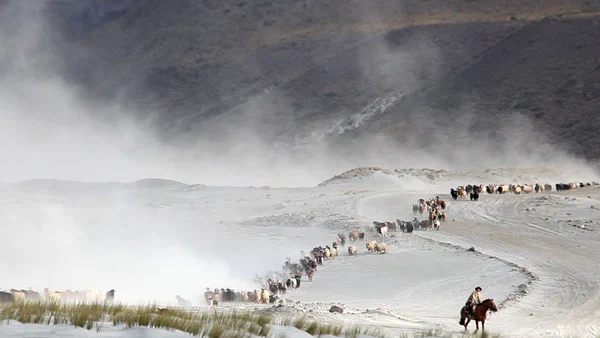
Arreo is an award-winning feature documentary following the Parada family, charismatic gaucho herders living in the dramatic Andean foothills of Malargüe, Mendoza, Argentina. The film captures their grueling seasonal transhumance driving thousands of goats high into the snow-capped mountain pastures of the Andes. Along the way, Eliseo Parada and his family confront severe climate drought, modern economic pressures, and the looming prospect of their children leaving pastoral life behind for city jobs.