Location: Northern Nigeria & the West African Sahel
Overview & Cultural Background
The Fulani (also known as Peul or Fulɓe) constitute the largest nomadic and semi-nomadic pastoralist ethnic group in the world, spanning across West Africa from Senegal through northern Nigeria to Chad and Cameroon. Inhabiting the arid Sahelian savannas and semi-arid sudano-sahelian rangelands, Fulani herders move humped zebu cattle, sheep, and goats along ancient north-south migration corridors (burtali) in search of seasonal forage and seasonal water sources.
Fulani social structure maintains a distinct gender division of pastoral labour and financial authority. While men oversee cattle grazing and herd security, Fulani women retain exclusive ownership and managerial control over all dairy production. Women milk cows, process fresh milk into curd (nono) and clarified butter (mài), and trade dairy goods in local village markets, providing steady daily cash income for household staples and maintaining financial autonomy within nomadic society.
Key facts
- Estimated Population: Over 35–40 million across West Africa (several million active pastoralists)
- Primary Livestock Herded: White Fulani (Bunaji) and Red Bororo zebu cattle, West African dwarf goats, and sheep
- Contemporary Challenges: Shrinking grazing routes due to expanding commercial cropland, drying water points in the Lake Chad and Niger basins, farmer-herder land disputes, and political insecurity across the Sahel.
Featured Films in the Festival Program
-
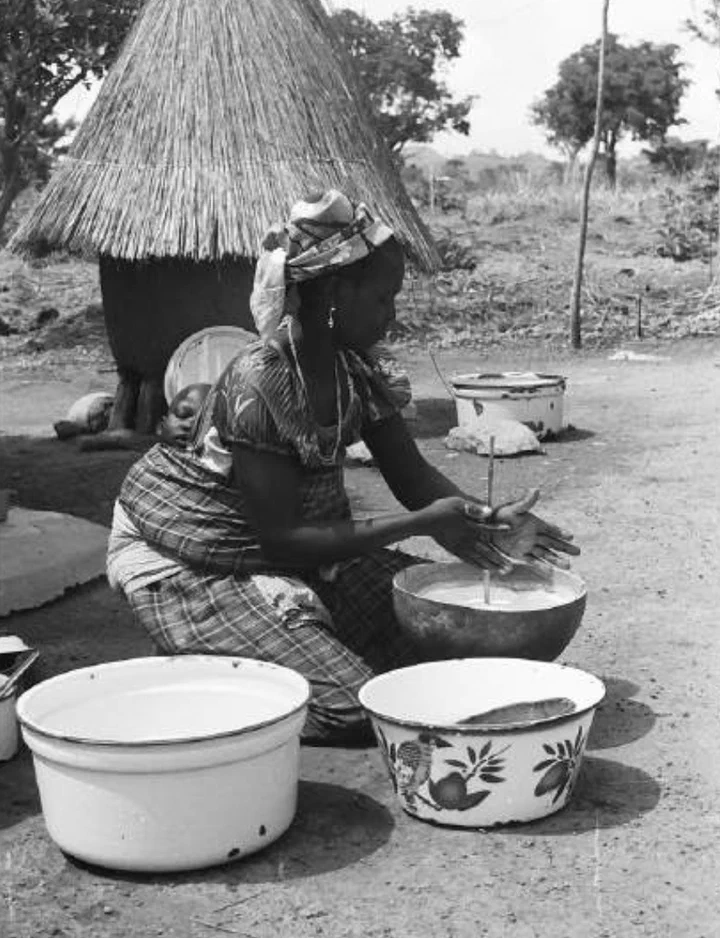 Fulani Dairywoman 19 min | Nigeria | Ann Waters-Bayer & Asma'u Maikano