Location: Kimberley Rangelands & Lamboo Station, Western Australia
Overview & Cultural Background
In the monsoonal savanna rangelands of Western Australia’s Kimberley region, Aboriginal pastoralists combine traditional ecological knowledge with contemporary commercial cattle management. Following historical decades of station labour where Indigenous stockmen and stockwomen built the Australian beef industry under exploitative conditions, Aboriginal land trusts and families now increasingly own and operate pastoral leases on their own native title country.
Stations such as Lamboo Station – managed by Jaru traditional owners – serve as vital centres for Indigenous empowerment, cultural preservation, and youth employment. Stockwomen and ringers manage Brahman cattle across vast arid expanses, practising rotational grazing, controlled traditional cool-season savanna burning (fire-stick farming), and ecological weed management that protect native wildlife while maintaining viable pastoral enterprises.
Key facts
- Estimated Population: Approximately 70–100 Aboriginal-owned or operated pastoral properties across northern Australia
- Primary Livestock Herded: Brahman and crossbred beef cattle adapted to tropical savannas
- Contemporary Challenges: Prolonged tropical dry seasons, seasonal flood isolation during monsoons, high livestock transportation costs across vast distances, live export market volatility, and passing livestock skills to younger generations.
Featured Films in the Festival Program
-
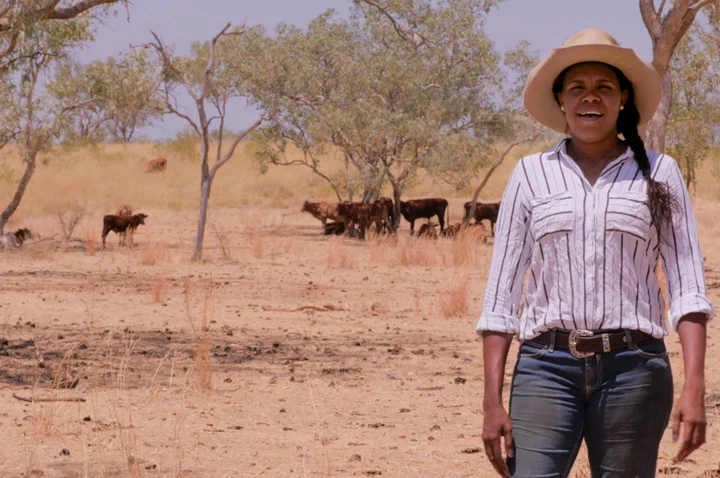 Let's Woman Up 7 min | Australia | Gisela Kaufmann & Karsten Orlt