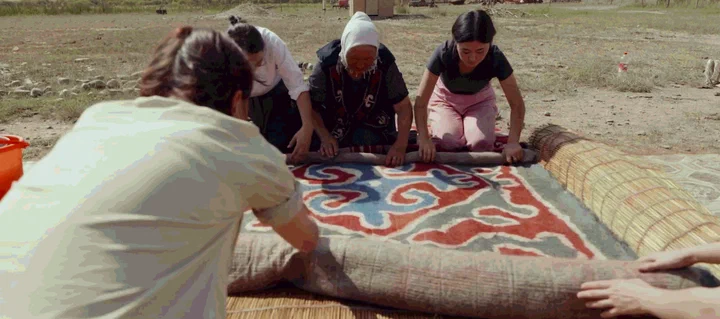
Produced by the Tartaly Film Collective, Ala kiyiz documents the traditional Kyrgyz art of felt carpet making.
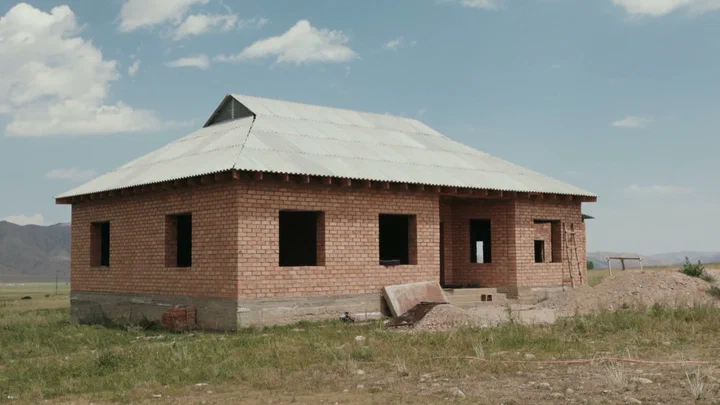
Produced by the independent Tartaly Film Collective in Kyrgyzstan, Alihan’s Village (Bizdin Ayyl) follows a young boy named Alihan living in a rural mountain village where everyone knows each other’s nicknames.
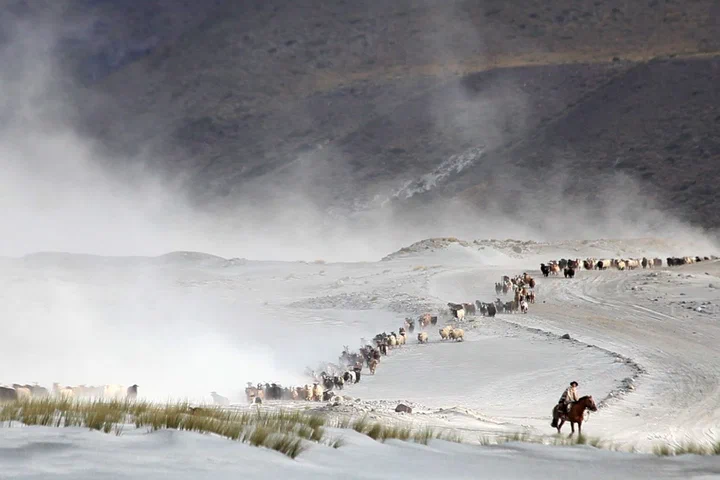
Arreo is an award-winning feature documentary following the Parada family, charismatic gaucho herders living in the dramatic Andean foothills of Malargüe, Mendoza, Argentina.
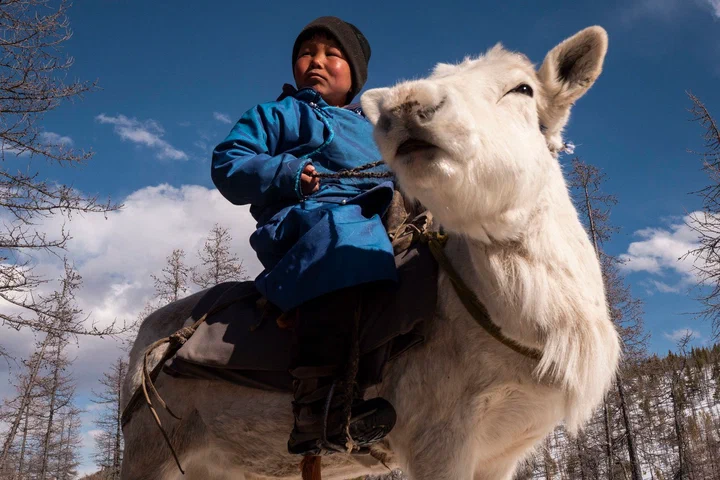
From inside his yurt in northern Mongolia, the reindeer herder Bayandalai ‒ an elder of the Dukhas tribe ‒ muses about the significance of life and death in the largest forest on Earth, the Taiga.
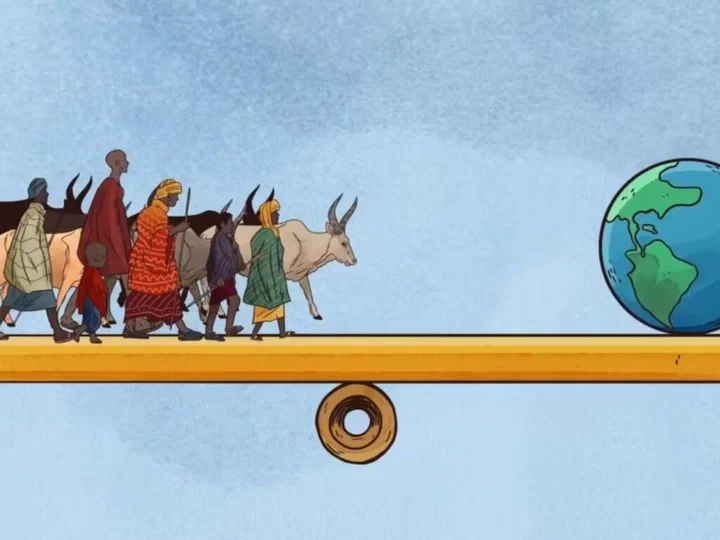
Part of the MOOC course material for Pastoralism in Development created by IIED, MISEREOR, and Saverio Krätli.
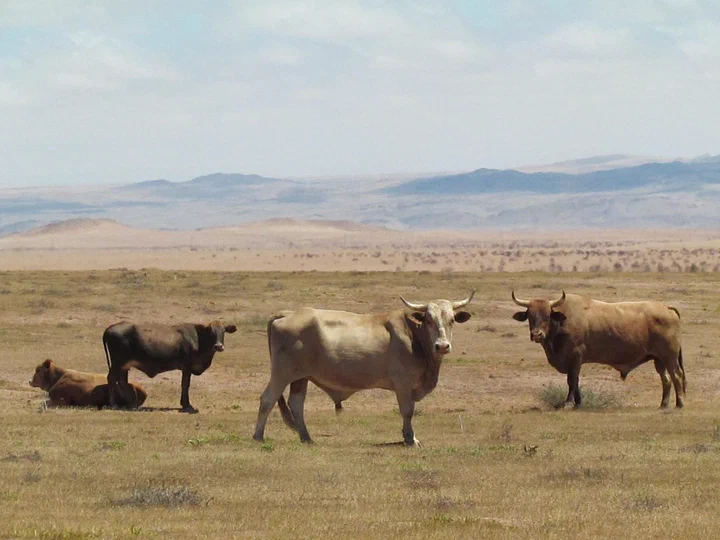
After several years of negotiations with the South African National Parks Board, the local Nama people were allowed to remain living and grazing their livestock in a designated nature conservation area – the Richtersveld World Heritage Site in Northern Cape Province bordering Namibia.
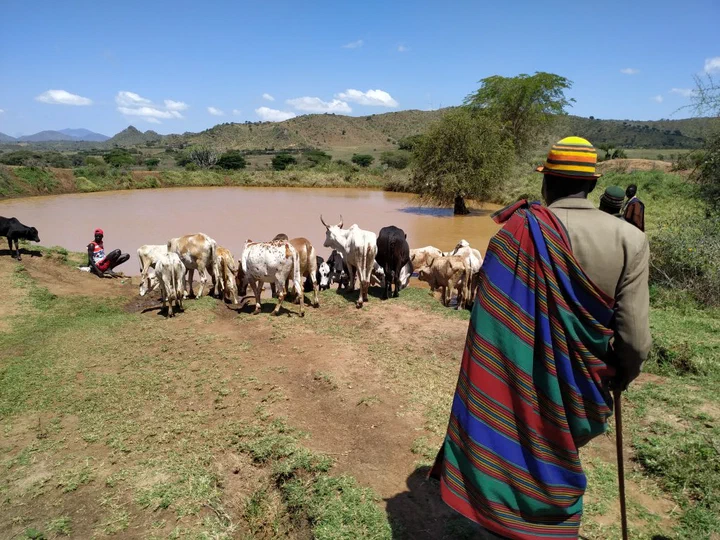
The Karamojong are herdsmen in the North-East of Uganda and guardians of their landscape.
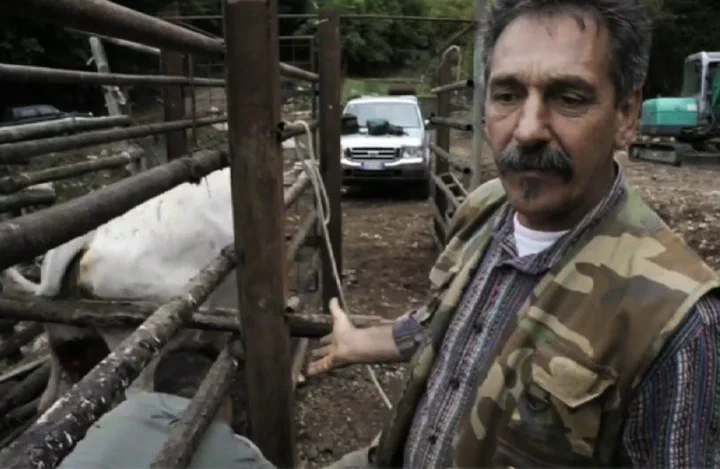
In Italy’s Apennine Mountains, large carnivores are creating problems for herders.
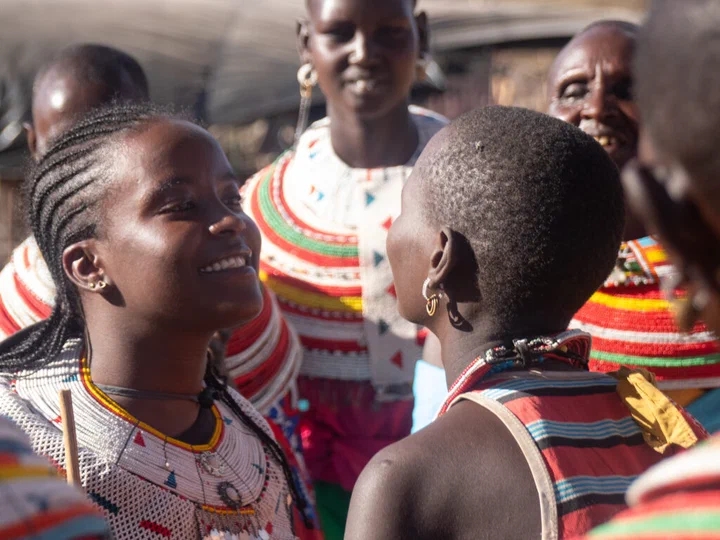
In this intimate and groundbreaking film, Laissa Malih, the first female Maasai filmmaker, returns to her ancestral village in Laikipia to explore how climate change is transforming Maasai lands and lives.
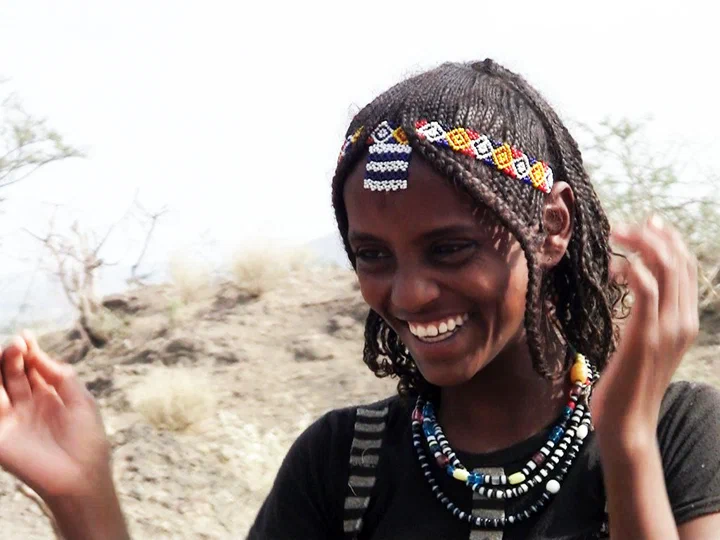
This film tells the story of two girls in Afar, northeast Ethiopia, and how they face challenges in their young lives: Fatuma seeking to avoid the traditional arranged marriage and Asya trying to deal with livestock theft and conflict with the Somali Issa.
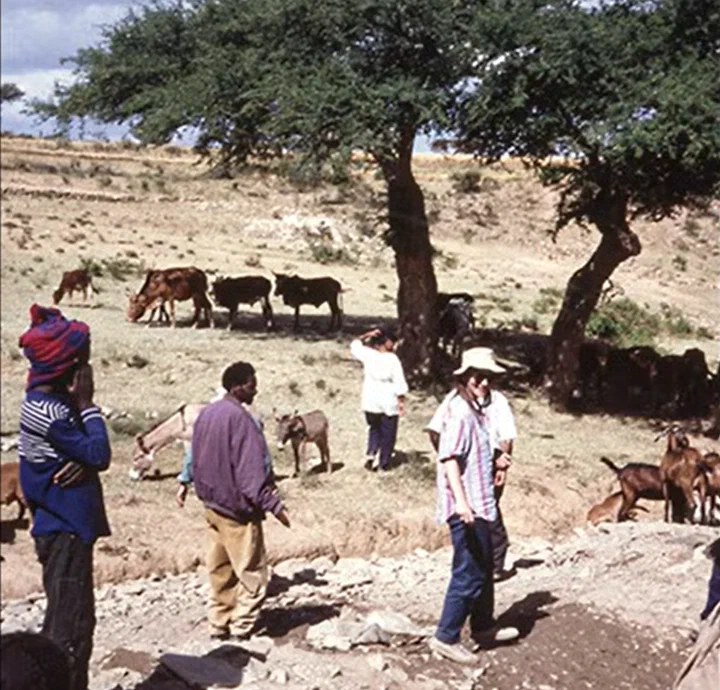
Dedicated to agricultural sociologist Dr.
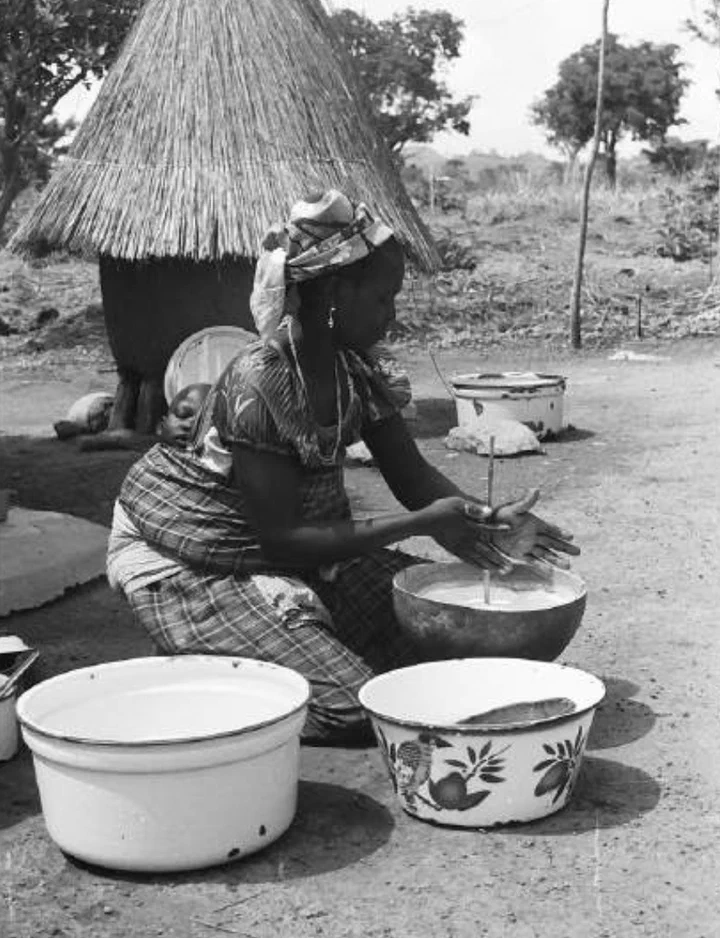
Filmed in central Nigeria in 1984, this ethnographic film documents the economic life, skilled labour, and independent financial authority of Fulani pastoral women.
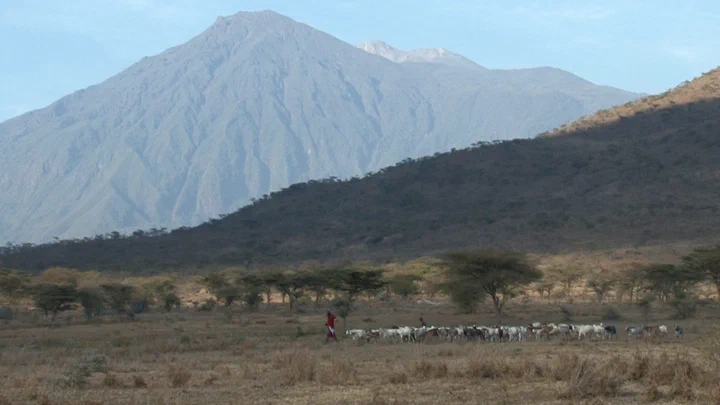
Near the slopes of Mount Meru in northern Tanzania, prolonged climate drought challenges traditional pastoral routines.
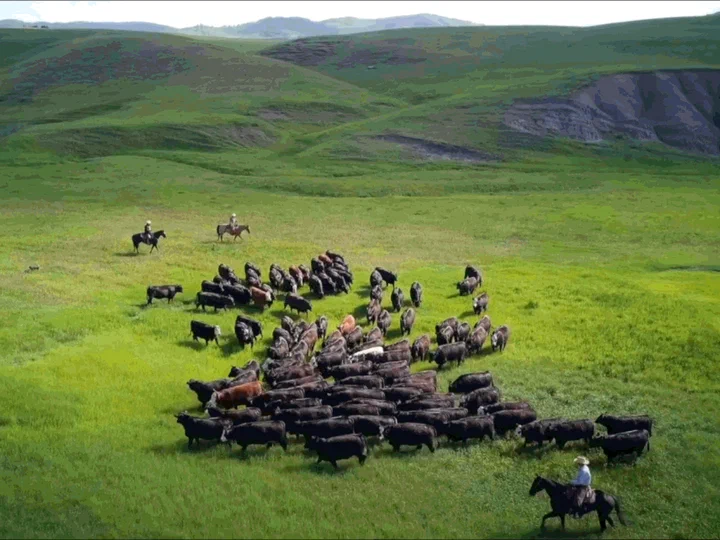
Canada’s native grasslands are disappearing at an alarming rate; they are one of the most endangered ecosystems in the world.
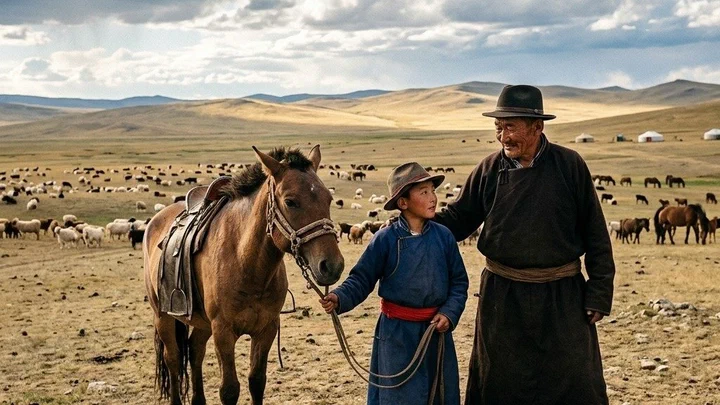
As the Naadam summer festival approaches, horse trainer Amraa and 11-year-old jockey Jantska prepare their stallion for the race.
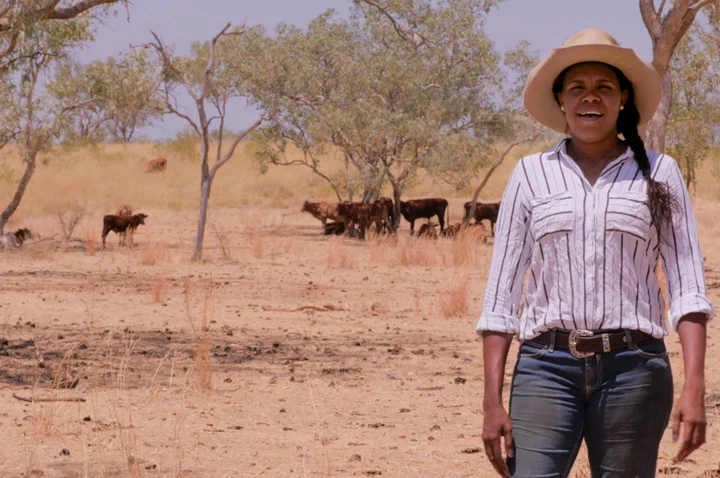
Set on Lamboo Station in Western Australia’s remote Kimberley rangelands, Let’s Woman Up profiles Darrylin Gordon, a proud Jaru woman and pastoralist managing a commercial cattle station on traditional ancestral country.
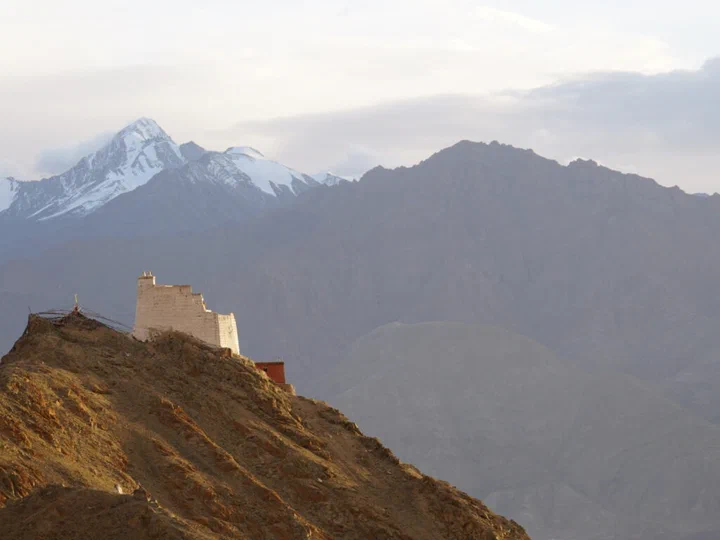
In this film, a nomadic woman shares her daily life in Ladakh’s high mountains.
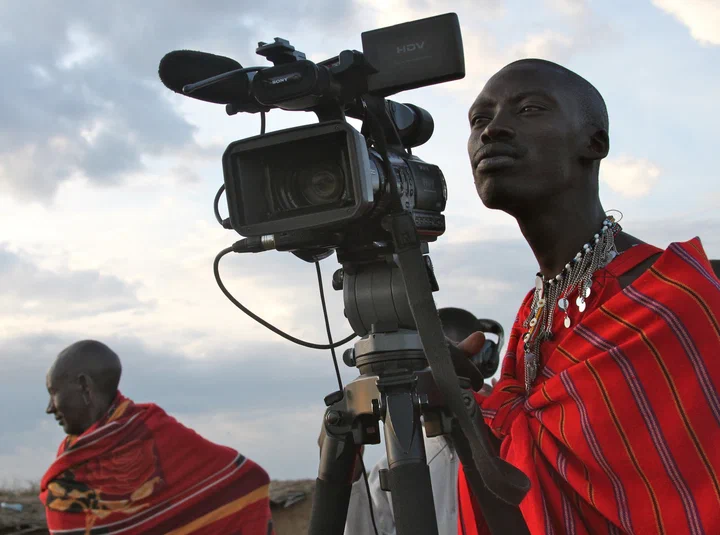
A 10-minute participatory documentary made by a freshly trained-in-filmmaking group of young Kenyan Maasai women and men from the Maasai Mara, sharing their firsthand observations on climate change, changing seasons, land privatization, and cultural transformation.
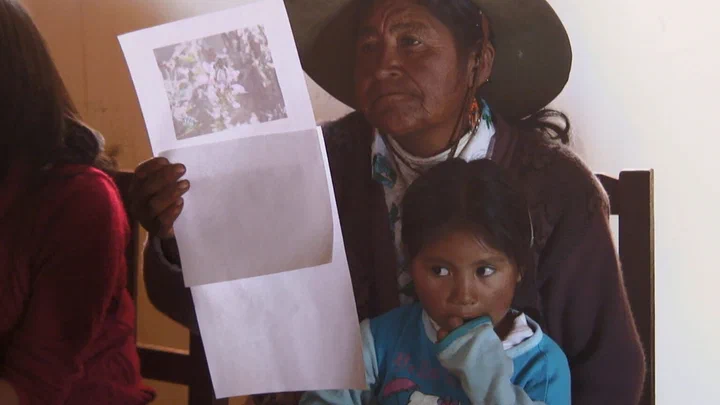
In the high-altitude Andean rangelands of northern Argentina, transhumant Criollo and Indigenous herding communities move sheep, goats, and llamas between seasonal pasture zones.
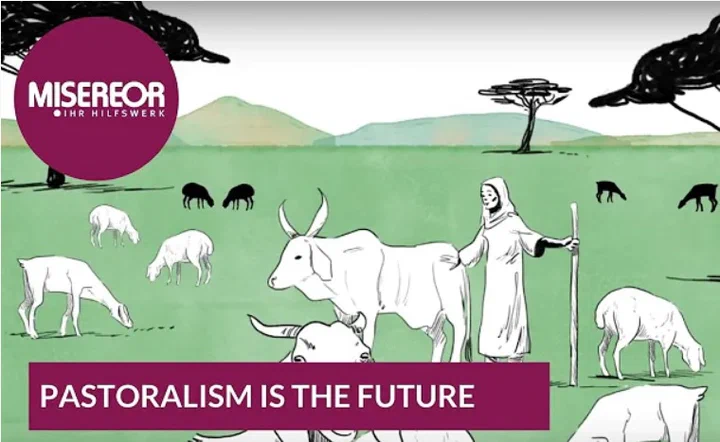
Human-induced climate change is creating conditions on our planet that are increasingly characterised by variability and unpredictability.
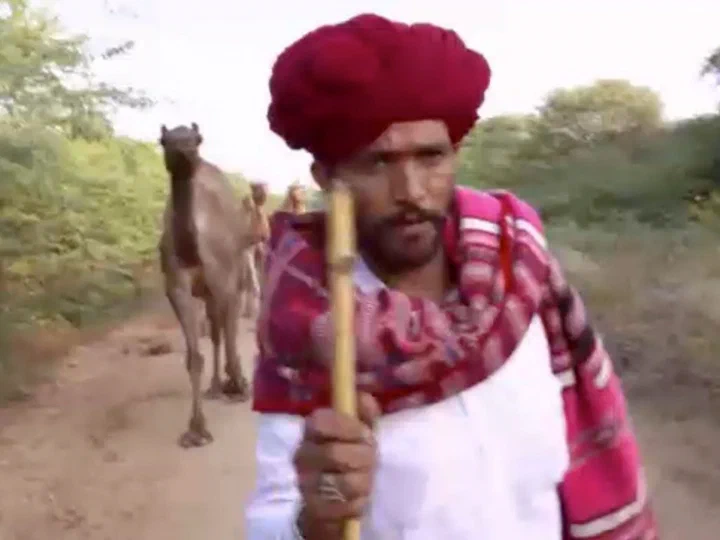
Features community-led initiatives in Rajasthan to create sustainable livelihoods from camel milk and camel wool products, aiming to save endangered camel herds and preserve the traditional Raika way of life.
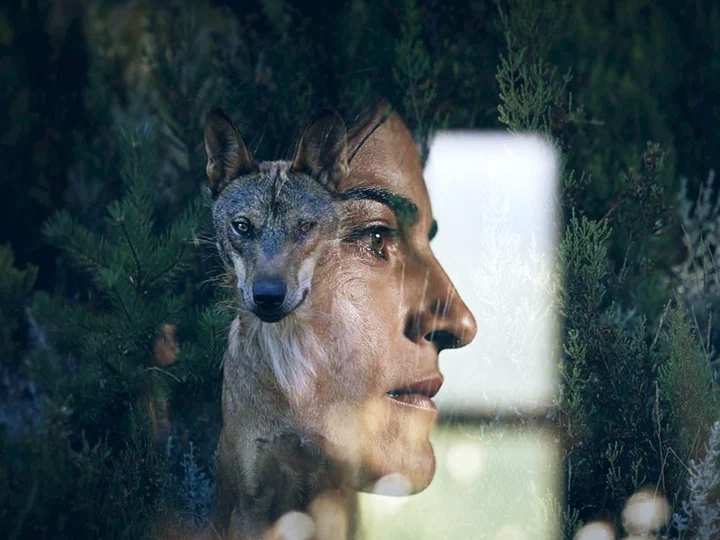
This documentary brings the testimonies of three herders – Fernando, Juan and Sofía – who have learnt to live close to wolves.
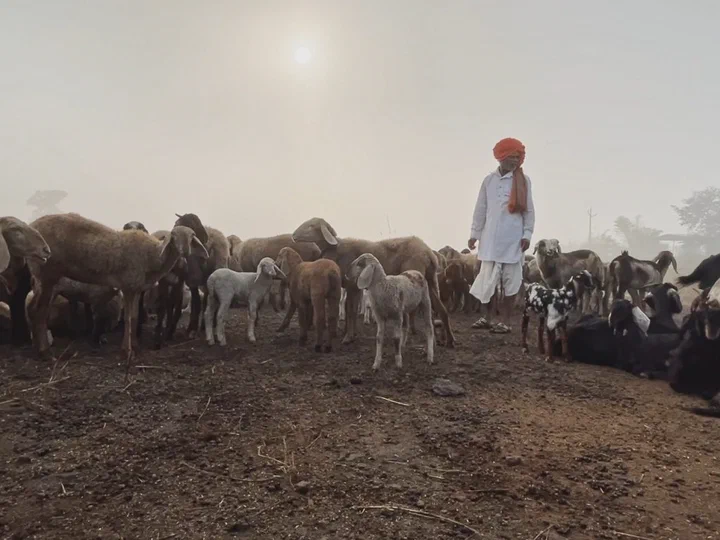
For hundreds of years, the Dhangar nomads have kept sheep on the Deccan Plateau in Maharashtra State, India.
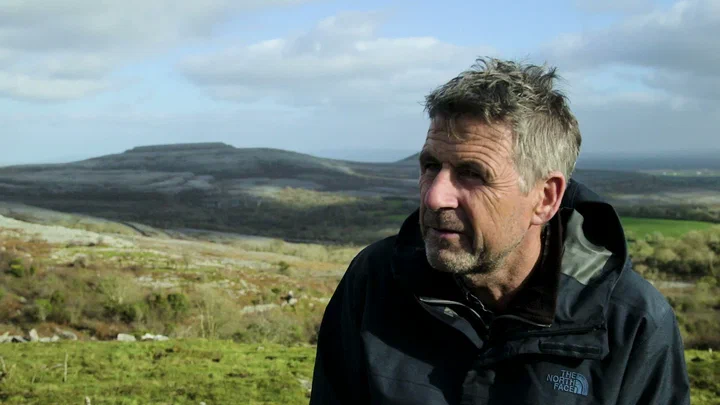
This film shows the living cultural heritage of transhumance in Europe: moving livestock to different grazing grounds in a seasonal cycle that goes back as long as people have been farming in the region.
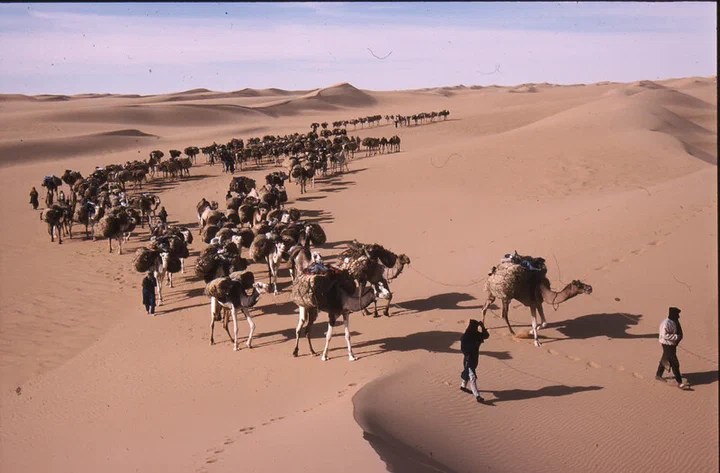
Filmed in 2000 with lightweight equipment in harsh desert conditions, this documentary follows a Tuareg (Kel Eway Imjaghan) camel caravan travelling across the Sahara to Bilma, documenting traditional trade routes, desert survival, and social organization.
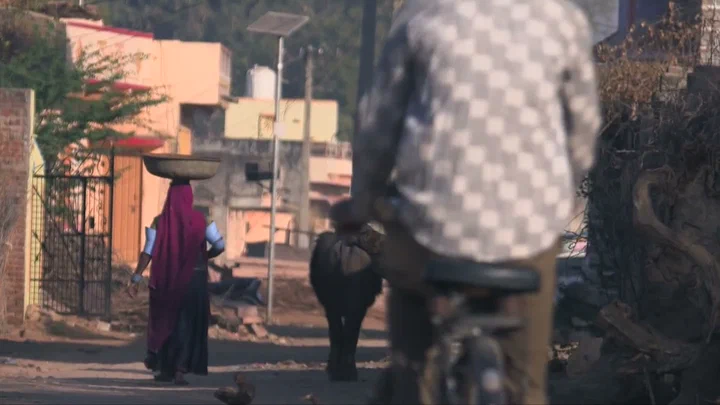
Highlights the struggle of the Raika camel herders of Rajasthan, India, as they advocate for grazing access rights within the Kumbhalgarh Wildlife Sanctuary, demonstrating their role as stewards of forest biodiversity.
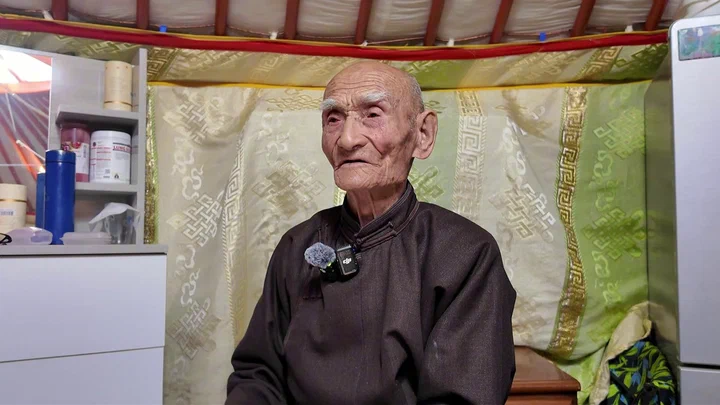
Produced by Steps Without Borders NGO (Хил хязгааргүй алхам), this 30-minute documentary focuses on nomadic herding families living in Airag sum, Dornogovi aimag, Mongolia.
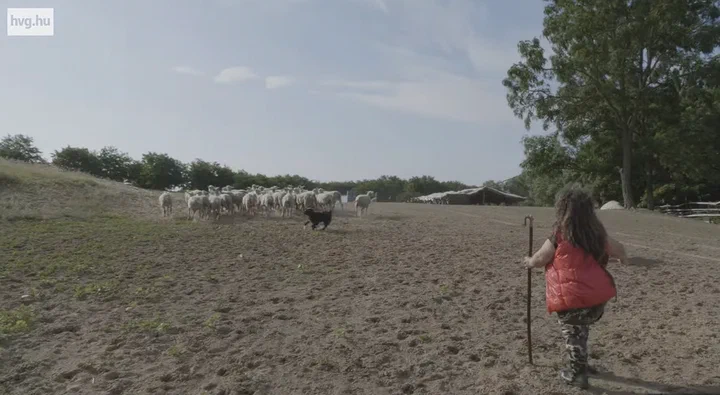
On the windswept plains of the Hungarian Puszta, female livestock keepers continue generations-old traditions of grazing sheep, cattle, and goats across alkaline grasslands.
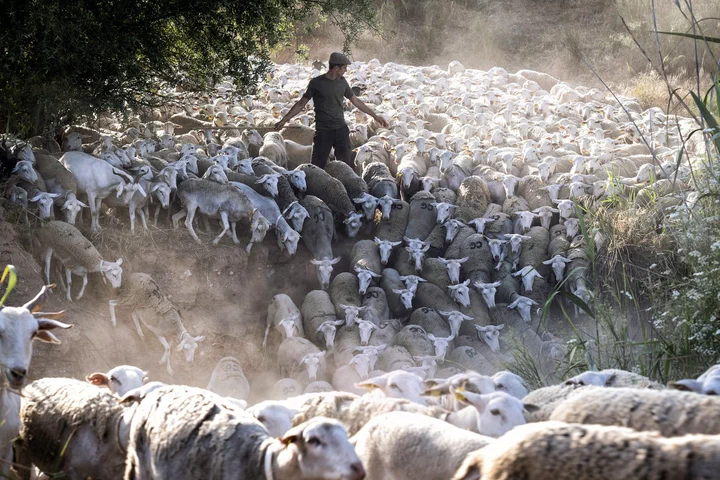
Celebrating the UNESCO recognition of transhumance as Intangible Cultural Heritage of Humanity, this documentary tracks the seasonal migration of livestock along Spain’s ancient droving corridors (cañadas reales) and across European mountain passes.
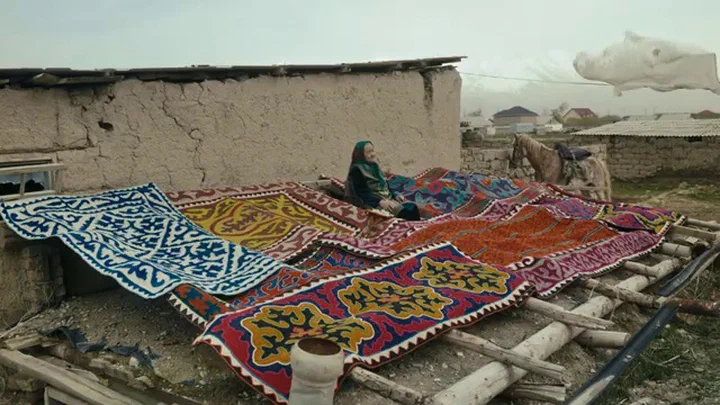
Directed by Alina Baitokova for the Tartaly Film Collective, Umai explores female identity, maternal care, and social resilience in contemporary Kyrgyzstan.